Solo mothers by choice are a growing, global community: one that has been studied longitudinally for more than four decades, that has built community networks across continents, and that has done so largely without a dedicated international space of its own.
The SMBC Summit was developed through a collaboration between solo mothers by choice, health professionals, and producers — built by the community it serves, alongside the professionals who support them.
The parenting advice most readily available was not written for solo-parent families. The medical systems most solo mothers navigate were not designed with them in mind. The research that speaks most directly to their experience (on their children's wellbeing, on mother-child relationships in solo-mother families, on the psychological outcomes for children raised by mother-led families) exists, and it is overwhelmingly positive. But there's a lag between research being published and the findings reaching the health professionals that solo mother families consult and the wider society.
The SMBC Summit was built to close that gap.
It is an international, online event because solo mothers by choice are everywhere. This is a summit for the whole community, watch on your own schedule, wherever you are.
"Raising thriving families based on intention, not convention."
International Solo Mothers by Choice Day (ISMBCD)
Day 4 of the SMBC Summit falls on 17 November: International Solo Mothers By Choice Day, and International Solo Parents By Choice Day. 17 November marks a specific legislative moment — the day the Statutes Amendment (Surrogacy Eligibility) Bill was introduced into the Legislative Council of South Australia in 2016, under the guiding principle that people seeking assisted reproductive treatment must not be discriminated against on the basis of their sexual orientation, marital status, or religion.
That bill passed. That principle — that access to assisted reproduction is not conditional on who you are or whether you have a partner — is the legal foundation solo-mother families in South Australia, and in other jurisdictions, were built on. Day 4 of the SMBC Summit marks it with a celebration, open to all registered attendees at no additional fee.
"Families have changed in form but not in function. Just because people become parents in non-conventional ways does not make them less capable parents or love their children less. It seems from our research that the opposite is true — those who have children against the odds become highly involved and committed parents."
— Prof. Susan Golombok
"If a community values its children, it must cherish its mothers."
— John Bowlby
The challenges this community faces come primarily from the outside (from systems, institutions, and cultural assumptions that were not built with them in mind), not from within the family itself. General parenting advice and support is designed with the heterosexual two-parent nuclear family in mind.
Until now there has been no dedicated international summit for this community: no global event that brings together the researchers running longitudinal studies on solo-mother families, the clinicians who understand what it means to advocate for yourself as a solo patient, the advocates mapping the cultural forces that shape how these families are seen, and the practitioners who support them — in the same place, at the same time, for the same audience.
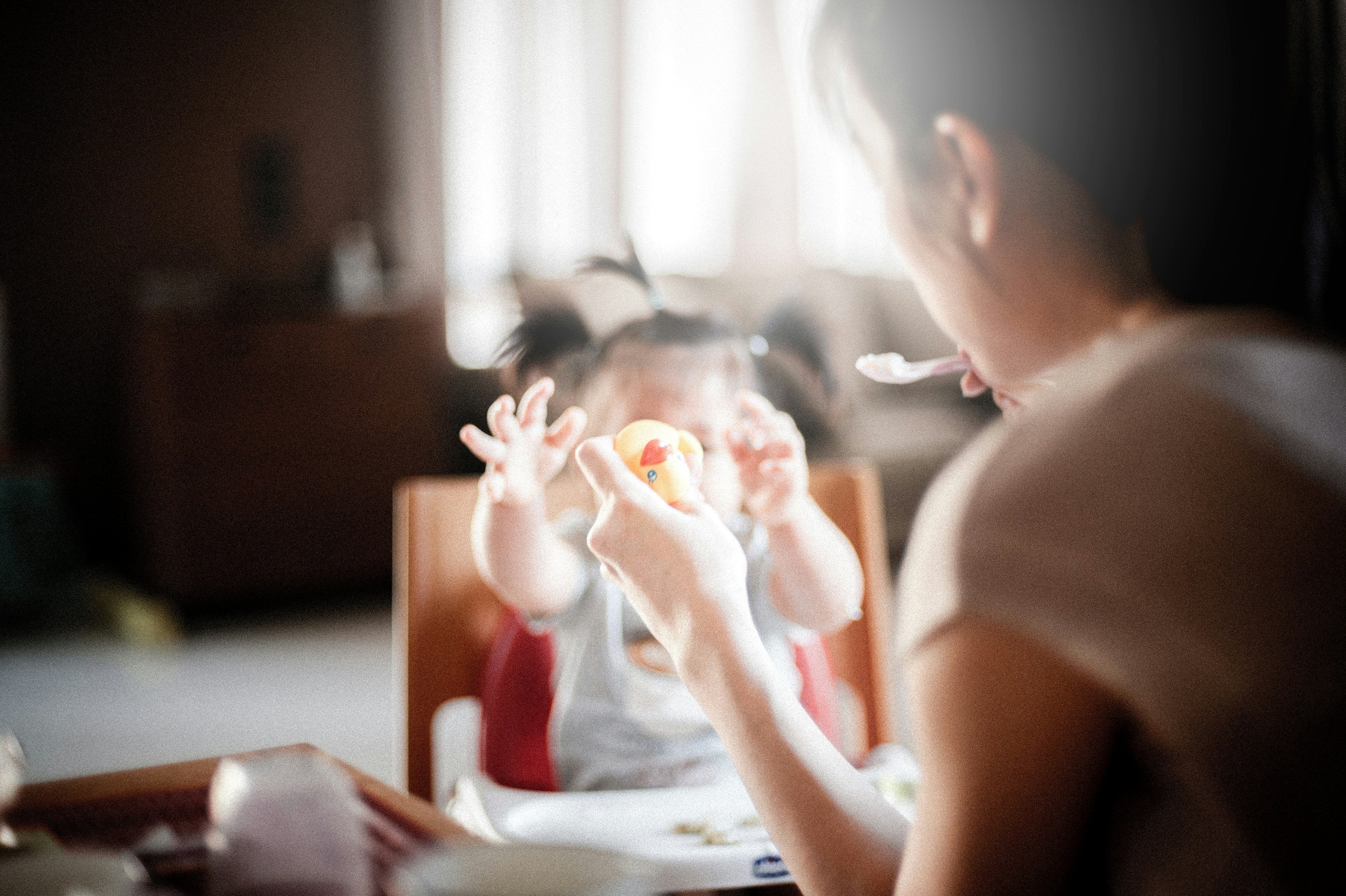
This is why the SMBC Summit exists.
Solo mothers by choice deserve access to the research, the clinical expertise, and the community that speaks directly to their experience. The professionals who support them deserve CPD-relevant content that takes this family form seriously as a subject in its own right.
Join us — 14 to 18 November 2026 →